For self-study Takken candidates

Pass Takken on
your first try,
in an order you
can follow.

From “What can be built here?” to “What happens when someone dies?” — follow the story of one house and cover the whole Takken exam in 30 lectures and 186 chapters.

Lectures30
Video~47h
Past exam Qs204
Check the curriculum firstSee the course

Please note: the lectures, textbook and practice questions are in Japanese, and the Takken exam itself is held in Japanese. This page is in English so you can see what the course covers.

Sato-sensei, AI teacher of Takken Sato Juku
TeacherSato-senseiAI teacher
WORRY

Studying alone, do any of these
sound familiar?

  • I don’t know where to start
  • I read the textbook, but the legal wording just doesn’t stick
  • I memorized the answers to past questions but can’t explain why
  • Rights, the Brokerage Act, land-use restrictions… the subjects feel disconnected
  • Studying alone, I worry whether I’m doing it right
???

That uncertainty shrinks with
an order to learn in
and a way to check yourself.

Takken Sato Juku ties all 30 lectures into one story and checks your understanding lecture by lecture.
FEATURES

Five things
about this course

POINT01

“The story of one house”
ties all 30 lectures together

Instead of memorizing subject by subject, you follow one real-estate deal: “What can be built here?”, “Who owns it?”, “Buying and selling”, “Lending and borrowing” and “Renting, living and inheriting”. Why each rule exists connects from one lecture to the next.

What’s built? Whose land? Buy & sell Lend & borrow Rent & inherit
POINT02

Every lecture:
mini-lesson → textbook → video → practice

A mini-lesson to grasp the key points, an illustrated textbook, Sato-sensei’s lecture video, and true/false and past-exam practice. You read, listen and solve within one lecture, so you never move on with only a vague idea.

Textbook: about 330,000 characters, 250+ diagrams
POINT03

Check statutes in the original text

553 provisions quoted in the lectures and textbook are checked against the legal data as of October 2026 (the e-Gov Laws API). You get used to the exact wording the exam asks about, not just paraphrases.

Article 35
POINT04

204 past exam questions +
527 quick Q&A drills

Quick Q&A drills check terms and numbers on the spot; past questions get you used to how the real exam asks. Every lecture repeats learn → check → solve.

Quick Q&A Past exams
POINT05

The last lecture: “Work through the real exam”

Lecture 30 uses the 2026 (Reiwa 8) exam to review question trends and exam-day strategy. Everything from all 30 lectures is reviewed in exam form to finish.

Read the exam trends
See what’s in all 30 lecturesSee the course
1 LECTURE

Each lecture, in
four steps

Mini-lesson

Key points in short form, checked with quick Q&A

Textbook

Read and organize with the illustrated textbook

Video

Sato-sensei’s lecture explains the why

Practice

True/false and past exam questions to make it stick

NUMBERS

Takken Sato Juku
in numbers

Lectures30
Chapters (~15 min each)186
Lecture video~47h
Textbookabout 330,000chars
Past exam Qs204
Quick Q&A527

* Video length is an estimate from the scripts of all 30 lectures.

ABOUT THE EXAM

Takken exam basics

The Takken (Real Estate Transaction Specialist) exam is administered by the Real Estate Transaction Improvement Organization. It is held once a year, on the third Sunday of October, as a written exam of 50 four-choice questions. Anyone residing in Japan may take it regardless of age or education; the fee is ¥8,200 and results are, as a rule, announced in late November.

Overview of the Takken exam
Official nameReal Estate Transaction Specialist Examination (Takken exam)
Administered byReal Estate Transaction Improvement Organization (RETIO)
Exam dateOnce a year, on the third Sunday of October
Exam time1:00–3:00 p.m., two hours (1:10–3:00 p.m. for those who completed the registered course)
FormatWritten exam, 50 four-choice questions (45 for those who completed the registered course)
EligibilityAnyone residing in Japan may take it, regardless of age or education
Exam fee¥8,200
ResultsAs a rule, late November
Laws coveredLaws in force on April 1 of the exam year
LanguageJapanese

Source: Real Estate Transaction Improvement Organization, “Overview of the Takken Exam” (Japanese) (checked October 26, 2026)

Subjects and question counts

SubjectQuestionsMain lawsIn this course
RightsQ1–1414 QsCivil Code, Act on Land and Building Leases, Condominium Unit Ownership Act, Real Property Registration Act, etc.Lectures 8–12, 20, 23–27
Legal restrictionsQ15–228 QsCity Planning Act, Building Standards Act, National Land Use Planning Act, Agricultural Land Act, embankment regulation, Land Readjustment Act, etc.Lectures 3–7
Tax and otherQ23–253 QsTaxes on real estate (national and local), official land prices and real-estate appraisalLecture 28
Brokerage ActQ26–4520 QsReal Estate Brokerage Act, Housing Defect Warranty ActLectures 13–19, 21–22
Five exempt questionsQ46–505 QsJapan Housing Finance Agency Act, Premiums and Representations Act, statistics, land and buildings (exempt for those who completed the registered course)Lecture 29

* Question numbers and counts follow the structure of recent exams and may change by year. The exam scope is set by Article 8 of the Ordinance for Enforcement of the Real Estate Brokerage Act.

The Takken Sato Juku learning route

  1. Lectures 1–2Guidance

    What a Takkenshi does, and how a deal moves from first meeting to registration

  2. Lectures 3–7Legal restrictions

    What can be built on the land (City Planning Act, Building Standards Act, Agricultural Land Act, etc.)

  3. Lectures 8–12Rights basics

    Registration, changes in property rights, declarations of intention, agency, prescription

  4. Lectures 13–22Brokerage Act and sales

    Licenses, Takkenshi, Article 35 explanation, Article 37 document, the eight restrictions, sales law

  5. Lectures 23–24Claims and security

    Payment, set-off, assignment of claims, mortgages, guarantees, joint obligations

  6. Lectures 25–27Leases, co-ownership, inheritance

    Land and building leases, condominium units, succession

  7. Lectures 28–30Finish

    Tax and valuation, the five exempt questions, exam trend analysis

Last updated: October 26, 2026
CURRICULUM

Curriculum (30 lectures)

Guidance The big pictureGet the map first
  1. Lecture 1What does a Takkenshi actually do?
  2. Lecture 2A real-estate deal, from first meeting to registration
Part 1 What can be built here?Legal restrictions on land use
  1. Lecture 3The town's rulebook: city planning areas, zoning districts and district plans
  2. Lecture 4Permits to develop, notices to sell: development permits and the National Land Use Planning Act
  3. Lecture 5How big you can build: roads, use restrictions, building coverage and floor-area ratios
  4. Lecture 6Height, fire and inspections: the second half of the Building Standards Act
  5. Lecture 7Three laws that reshape land: embankment regulation, land readjustment and farmland
Part 2 Who owns this land?Rights (registration, property, contract basics)
  1. Lecture 8Reading the land register: the Real Property Registration Act (key lecture)
  2. Lecture 9First to register wins: changes in property rights and perfection (key lecture)
  3. Lecture 10Where contracts begin: limited capacity and declarations of intention
  4. Lecture 11Agency: contracts made by someone else
  5. Lecture 12Prescription: how time creates and extinguishes rights
Part 3 Buying and sellingThe Real Estate Brokerage Act and sales law
  1. Lecture 13Does this job need a license? What counts as real-estate brokerage
  2. Lecture 14Getting a license, and losing one
  3. Lecture 15Becoming a Takkenshi: registration, the license card and suspension of duties
  4. Lecture 16Rules for offices and advertising
  5. Lecture 17Money that protects customers: business security deposits and guarantee associations
  6. Lecture 18Brokerage contracts and calculating fees
  7. Lecture 19Mastering the Article 35 important-matters explanation
  8. Lecture 20Sales under the Civil Code: earnest money, non-conformity, default and cancellation
  9. Lecture 21When the broker is the seller: the Article 37 document and the eight restrictions
  10. Lecture 22Supervisory actions, penalties and the Housing Defect Warranty Act: a full review
Part 4 Lending and borrowingRights (claims and security)
  1. Lecture 23How claims move: payment, set-off, assignment, contracting, mandate and torts
  2. Lecture 24Behind the home loan: mortgages, guarantees and joint obligations
Part 5 Renting, living and inheritingRights (leases, co-ownership, succession)
  1. Lecture 25The rules of renting: leases, land leases and building leases
  2. Lecture 26Owning together: co-ownership, neighbor relations and condominium units
  3. Lecture 27When someone dies: inheritance and registration
Finish Tax, valuation and reviewGetting ready for the exam
  1. Lecture 28Property prices and taxes
  2. Lecture 29The five exempt questions and a cross-subject review
  3. Lecture 30Working through the 2026 (Reiwa 8) exam: trend analysis and exam-day strategy

Every lecture has four parts: mini-lesson, textbook, video and practice. 186 chapters in all.

TEACHER

Your teacher

Sato-sensei, AI teacher of Takken Sato Juku
AI teacher

Sato-senseiTakken Sato Juku

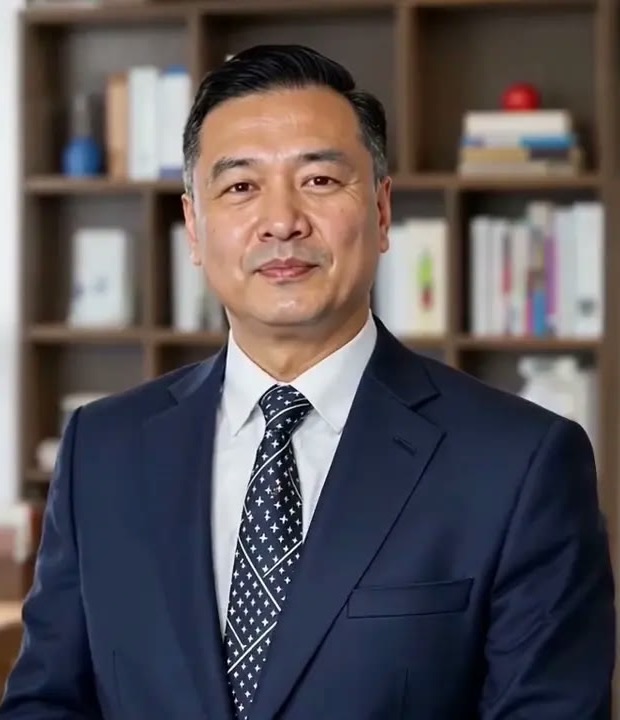
A teacher who tells the Takken exam as “the story of one house”. Sato-sensei shows the wording of each provision and explains why the rule is the way it is.

Sato-sensei is a fictional teacher generated with AI (a digital human). The lecture scripts and materials are written from the statutory texts and past exam questions.

FAQ

Frequently asked questions

In what order should I study?

Following the curriculum from Lecture 1 traces one house’s deal: zoning and building rules first, then registration and contracts, the Brokerage Act, loans, leases and inheritance, and finally tax and practice on the real exam.

When is the Takken exam held?

Once a year, on the third Sunday of October. The exam runs for two hours, from 1:00 to 3:00 p.m. (source: Real Estate Transaction Improvement Organization).

What subjects are on the Takken exam, and how many questions?

50 four-choice questions. In recent exams: Rights 14, Legal restrictions 8, Tax and other 3, Brokerage Act 20 and the five exempt questions 5 (this may change by year).

What are the Takken pass rate and passing score?

Both differ by year and are published by the administering body (Real Estate Transaction Improvement Organization) as exam results. Please check the latest figures there. We do not publish figures of our own.

Are there eligibility requirements or an exam fee?

Anyone residing in Japan may take it regardless of age or education. The exam fee is ¥8,200.

What are the “five exempt questions”?

If you complete a registered course approved by the Minister of Land, Infrastructure, Transport and Tourism and take the exam within three years of passing its completion test, two areas (five questions) are exempted, making it a 45-question, 1-hour-50-minute exam.

Are “Takkenshi” and “Real Estate Transaction Specialist” the same?

Yes. Takkenshi is the short Japanese name for the Real Estate Transaction Specialist (宅地建物取引士). The title changed from “Real Estate Transaction Manager” with the April 2015 amendment of the Brokerage Act.

Can a complete beginner take this course?

Yes. Lectures 1 and 2 are guidance. You first see what a Takkenshi does and how a real-estate deal moves from the first meeting to registration, then go into each subject.

Is the course in English?

No. The lectures, textbook and practice questions are in Japanese, and the Takken exam itself is in Japanese. This page is an English guide to what the course covers.

Can I study on my phone?

Yes. You can take the course in the browser on a smartphone or a computer.

Are past exam questions included?

It includes 204 past exam questions and 527 quick Q&A drills. You solve them as practice at the end of each lecture.

Is it up to date with law changes?

The 553 statutory provisions quoted in the lectures and textbook have been checked against the legal data as of October 2026 (the e-Gov Laws API).

Is Sato-sensei a real teacher?

Sato-sensei is a fictional teacher generated with AI (a digital human). The lecture scripts and materials are written from the statutory texts and past exam questions.

How much does it cost, and how do I sign up?

Please check the price and how to sign up on the course page.

Is passing guaranteed?

No, passing is not guaranteed. Please study at your own pace.

* This course does not guarantee that you will pass the exam.

Take a look at the map
of all 30 lectures.

The course page shows the curriculum and how to take the course.

Start today, in an order you can followSee the courseYou will go to the course page (an external site, in Japanese).
See the course